Updated October 2025:
Resilience is one of those qualities that everyone admires but few truly understand until life tests them. It’s the ability to adapt, to endure hardship, and to emerge stronger than before. When we look for metaphors to explain resilience, we often turn to the natural world. Animals, plants, and even mythical creatures have long been symbols of strength, endurance, and renewal.
So, what animal best represents resilience? Many people point to the phoenix, the mythical bird that rises from its own ashes, as the ultimate symbol of rebirth and renewal.

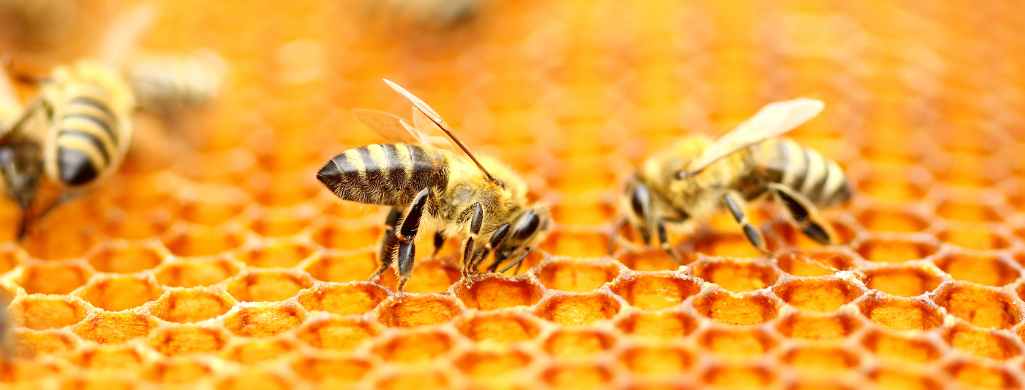
In the animal kingdom and real world, the honeybee is also considered a symbol of resilience. Honeybees work together in colonies, facing various challenges such as harsh weather conditions, predators, and diseases. Despite these challenges, honeybees exhibit remarkable resilience in maintaining their colonies and adapting to changing circumstances. The collective effort and adaptability of honeybee colonies make them a symbol of resilience in the natural world.
I’ve seen leaders who approached crises like honeybees: they didn’t panic, they mobilised their teams to adapt and rebuild.
Here’s what we will cover:
- The meaning and importance of resilience
- Animals and symbols most commonly linked with resilience
- Characteristics of resilient individuals
- How empathy and assertive communication strengthen resilience
- Why resilience is essential in business and leadership
What Does Resilience Mean?
Resilience is the ability to bounce back after setbacks, adapt to change, and keep going despite stress or hardship. It’s not just about “toughing it out.” True resilience means recovering while also learning, growing, and maintaining a positive outlook.
Think of resilience as both mental stamina and emotional flexibility. Someone resilient might face a job loss, illness, or business failure; but instead of crumbling, they regroup, adjust, and push forward with new determination.
Why do we need to be resilient?
Because life is unpredictable. Challenges will come, whether in our personal lives, communities, or businesses. Resilience doesn’t guarantee an easy road, but it makes the journey survivable, and often transformative.
📌 Pronunciation note: Resilience is pronounced rih-ZIL-ee-uhns. It’s often misspelled as resilients, but there’s no “t” in the correct spelling.
Resilience in Business
Business is full of uncertainty: market crashes, supply chain breakdowns, staff turnover, or unexpected global crises. Resilience, in this context, is like having a ship strong enough to ride out storms.
A resilient business owner:
- Accepts bad days without giving up.
- Learns from failures instead of repeating them.
- Adapts strategy quickly when markets shift.
- Builds strong professional networks, just as bees rely on their hives.
Resilience in business isn’t about simply surviving downturns. It’s about using setbacks as fuel for growth, strengthening systems, and coming out more competitive in the long run.
During the 2020 global supply chain disruptions, resilient companies weren’t always the biggest. They were the ones able to re-route shipments, renegotiate contracts, and keep staff engaged.
When I ran my own business, resilience wasn’t just theory; it was about surviving slow months, pivoting products, and keeping my team motivated.
I learned about resilience the hard way. In the early years, cash flow was tight, and every decision felt like it could make or break us. There were weeks when sales slowed to a trickle, yet wages, rent, and supplier bills still had to be paid. Quitting would have been the easy option. Instead, I adapted: we streamlined operations, leaned into our most profitable products, and kept motivating the team through the rough patches.
Looking back, those setbacks became the best teachers. Resilience wasn’t about pretending everything was fine; it was about staying steady, making tough calls, and using the tough times as fuel to build a stronger company. That same mindset still guides how I approach challenges today.
Characteristics of Resilient People
Resilience is multi-faceted, but resilient people often share certain traits:
- Optimism: They look for solutions instead of dwelling on problems.
- Adaptability: They pivot strategies when circumstances change.
- Problem-Solving: They approach difficulties proactively.
- Support Networks: They lean on trusted friends, family, or colleagues. Having a strong business network and building meaningful connections, contributes to a successful business.
- Emotional Regulation: They manage emotions rather than being overwhelmed by them.
- Self-Confidence: They believe in their ability to handle challenges.
- Sense of Purpose: A clear goal or mission keeps them motivated.
- Perseverance: They keep going, even when progress is slow.
- Self-Reflection: They learn from past setbacks to grow stronger.
💡 In business, I’ve seen this firsthand: companies that survive economic downturns often aren’t the biggest or richest. They’re the ones with leaders who stay adaptable, keep morale up, and don’t lose sight of purpose even during stormy seasons.
How Empathy Builds Resilience
One often overlooked trait that strengthens resilience is empathy. Empathy connects us to others, creating a support system that prevents isolation and fosters trust. It is a key element of emotional intelligence.
- Social Support: Feeling understood reduces stress during hard times.
- Validation: Knowing someone recognises your struggles makes challenges easier to face.
- Reduced Isolation: Empathy builds community, reminding us we’re not alone.
- Learning Coping Strategies: Seeing how others adapt can inspire our own resilience.
- Building Trust: Trustworthy relationships create safety nets in both personal and work life.
In leadership, empathy is essential. A resilient leader doesn’t just weather storms personally; they help their team do the same by listening, validating concerns, and modeling calm adaptability.
What symbolizes resilience?
Commonly associated symbols represent the ability to overcome adversity, bounce back from challenges, and emerge stronger.
Symbols of Resilience
Some widely recognized symbols of resilience include:
- Lotus Flower: The lotus flower is a symbol of beauty, purity, and resilience. It grows in muddy waters, yet its petals emerge clean and unblemished. People often use the lotus to convey the idea that challenging and difficult circumstances can give rise to beauty and strength.

- Anchor: An anchor is a symbol of stability and steadfastness. In the face of storms and turbulent waters, an anchor keeps a ship grounded. It is often used as a metaphor for resilience, representing the ability to stay grounded and weather life’s challenges.

- Oak Tree: The oak tree is known for its strength and longevity. It withstands storms and harsh weather, symbolizing resilience in the face of challenges. The saying “mighty oaks from little acorns grow” emphasizes the idea of gradual growth and strength over time.

- Turtle: In some cultures, the turtle is a symbol of resilience and longevity. Its ability to retract into its shell provides a metaphor for facing challenges by withdrawing temporarily and then emerging again when the time is right.
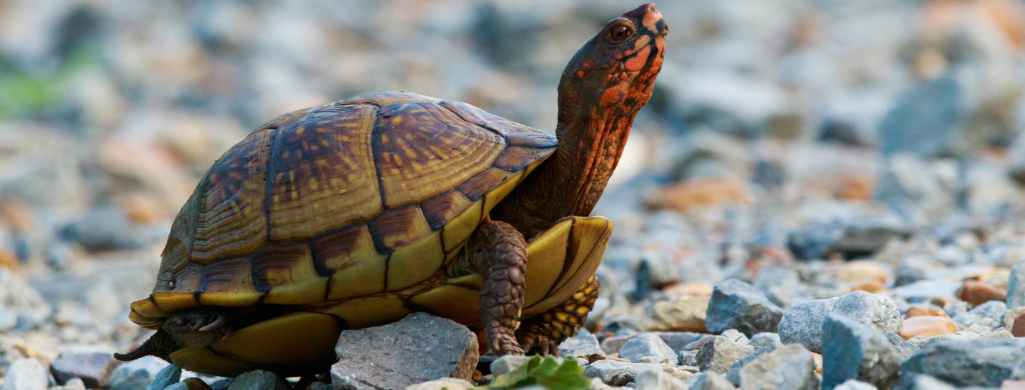
National Geographic recently reported on Jorge, a loggerhead sea turtle that spent 41 years in captivity before finally returning to the ocean. Despite decades away from its natural environment, the turtle adapted and survived in the wild again.
This story is a vivid example of resilience: even after extreme disruption and displacement, life can readjust, recover, and continue forward. It’s a reminder that resilience isn’t always about immediate strength; sometimes it’s about patient endurance until the right conditions allow growth again.
- Rock or Mountain: Rocks and mountains are often used as symbols of strength and stability. They endure the test of time and weather, representing resilience in the face of adversity. Hence when we often refer to our partners as the “rock” of our life.

These symbols, rich in meaning, often inspire and remind individuals of their inner strength during challenging times. The choice of symbol may vary depending on cultural, personal, or contextual preferences.
Assertive Communication: A Resilience Skill
Another skill tied closely to resilience is assertive communication. This isn’t aggression; it’s the ability to express needs clearly and respectfully while listening to others.
Assertive communication helps resilience by:
- Advocating for needs and boundaries
- Resolving conflicts fairly
- Maintaining healthy workplace relationships
- Reducing stress by preventing bottling up emotions
- Building confidence and self-esteem
When challenges arise, those who communicate assertively are better equipped to solve problems collaboratively and reduce emotional strain.
FAQ: Resilience Explained
What is the best animal symbol for resilience?
The phoenix (mythical) and honeybee (real world) are most often used as symbols of resilience.
Why is resilience important in leadership?
Resilient leaders inspire confidence, keep teams steady during crises, and turn setbacks into opportunities.
Can resilience be learned?
Yes. While some people are naturally resilient, resilience can be strengthened through mindset, habits, and supportive relationships.
What symbol besides animals represents resilience?
The lotus flower, oak tree, anchor, and mountains are all widely recognised symbols of resilience.
Final Thoughts
Resilience is more than just endurance; it’s transformation. Whether symbolised by a phoenix rising from the ashes or a honeybee rebuilding its hive, resilience represents the human ability to adapt, learn, and emerge stronger.
In business, relationships, and personal life, resilience is the quality that keeps us steady during storms and propels us forward afterward. By combining empathy, adaptability, assertive communication, and perseverance, resilience becomes less of a trait we admire in others, and more of a strength we can all cultivate.

✍️ About The Author
From building a thriving company to mastering the frequent flyer game, Cranky Boss has learned that in both business and travel, the journey teaches more than the destination. A Melbourne Business Awards finalist with a knack for building strong teams and keeping things real, Cranky Boss shares the wins, the mishaps, and the occasional “OMG” moments along the way.
Today, Cranky Boss brings real stories, sharp insights, and a grounded perspective from the boardroom to the boarding gate.
Read more about Cranky Boss →
✍️ Quick Facts
Miles flown: Closing in on one million | Hidden talent: Turning frequent flyer points into first class tickets | Coffee strength: Dangerously high | Office pet peeve: Speakerphone calls | Business mantra: Culture first, profit follows | Superpower: Understanding people before they speak.
