
Updated December 2025:
Quick Examples of Backhanded Compliments:
- “You’re much smarter than you look.”
- “You did a great job, for once.”
- “You’re so brave to wear that outfit.”
Why Backhanded Compliments Hurt More Than They Help
A few years ago, I was in a meeting where someone told me, “Your presentation was great; much better than I expected.” At the time I smiled, but walking away I realised it wasn’t a compliment. It was a polite way of saying they hadn’t expected me to perform well. That’s the problem with backhanded compliments: they look like praise on the surface but carry a sting underneath.
What Is a Backhanded Compliment?
A backhanded compliment is when someone praises you while sneaking in an insult. It’s insincere like backhanded apologies.
For example:
- “You did well, considering your lack of experience.”
The praise is real, but the “considering…” part undermines it.
Many backhanded compliments come from poor attempts at feedback, which is why understanding how to give feedback at work without crushing someone is so important for clear communication.
Understanding Backhanded Compliments in the Workplace
Backhanded compliments occur when someone seemingly praises another person but simultaneously delivers a concealed insult or criticism. These remarks can be tricky to decipher because they may sound complimentary on the surface but carry an underlying negativity. In the workplace, where professional relationships are crucial, being aware of such remarks can help prevent misunderstandings and conflicts.
You see backhanded compliments pop up a lot in rushed Christmas messages; the lines that sound warm at first but sting when you read them twice.
Backhanded compliments often mask mockery and hidden insults, leaving people in the workplace feeling confused and undervalued despite the supposed ‘praise’.
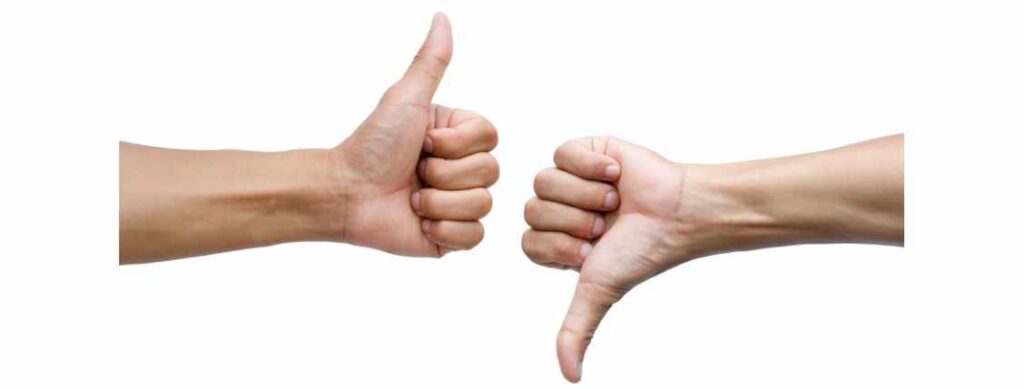
25 Examples of Backhanded Compliments in the Workplace
🧑💼 Age & Experience
- “Your presentation was good, considering your lack of experience.”
- “You’re pretty good at your job, considering you’re so young.” (this is ageism)
- “You’re a natural leader, despite your lack of managerial experience.”
- “I never expected you to come up with such a good idea.”
These compliments downplay ability by framing success as surprising because of youth or inexperience.
👩 Gender & Identity
- “You’re good at negotiations, for a woman.”
- “You’re articulate, unlike others from your community.”
- “You speak English really well, for someone from your background.”
- “You’re surprisingly competent at this task.”
These are not compliments; they reinforce stereotypes, and in some cases cross into sexism or casual racism.
🎯 Job Performance
- “You did a great job, for once.”
- “You’ve improved a lot; I almost didn’t recognize your work.”
- “Your presentation was polished, considering your usual lack of attention to detail.”
- “Your work is impressive, especially considering your limited resources.”
- “You’re really good at delegating tasks, almost like a manager.”
While framed as praise, these undermine the person’s professional record and cast doubt on their consistency.
🎭Personality & Style
- “You’re ambitious, but don’t let it get in the way of being a team player.”
- “I admire your confidence, even though it sometimes comes off as arrogance.”
- “You’re so dedicated, it’s almost obsessive.”
- “You’re really good at taking charge, unlike most introverts.”
Comments like these turn personality traits into flaws, leaving the receiver confused about whether to feel flattered or criticised.
🧍♀️Personal Circumstances
- “You’re doing well, considering your disability.”
- “You’re a hard worker, despite your lack of formal education.”
- “You’re great at multitasking, unlike other parents.”
- “You’re good with numbers, considering you’re from a non-financial background.”
These downplay effort by implying that someone’s success is unusual given their background or circumstances.
👀 Looks & Social Ability
- “You’re much smarter than you look.”
- “You’re really good at networking, considering your social awkwardness.”
- “You’re so lucky to have landed this project.”
- “You’re so brave to wear that outfit to work.”
These mix appearance, personality, or luck with subtle insults that question capability.
While some of these comments may seem harmless at first glance, they can leave a lasting negative impact on the recipient. Confirmation bias plays a significant role in decision making including the way we speak to people. Backhanded compliments often undermine a person’s achievements, skills, or identity, reinforcing stereotypes and prejudices.
Recognizing the Intention Behind Backhanded Compliments
It’s important to recognize the intention behind such remarks and address them appropriately. Backhanded compliments can sometimes resemble microaggressions in that they often subtly undermine or belittle the recipient. While both can leave individuals feeling disrespected or hurt, the key difference lies in the nature of their delivery and intent.
Microaggressions are usually subtle and often come from a place of prejudice, while backhanded compliments, though still hurtful, are meant to be compliments but can sound rude or dismissive.
If you find yourself on the receiving end of a backhanded compliment, consider confronting the individual diplomatically. Express how their comment made you feel and clarify any misconceptions they may have. Similarly, if you witness someone else receiving a backhanded compliment, offer your support and intervene if necessary to prevent further harm.
Reflecting on the Impact of Words
As for those who unwittingly deliver backhanded compliments, it’s crucial to reflect on the impact of your words and strive for genuine and constructive feedback. Instead of masking criticism with false praise, focus on providing meaningful acknowledgment and encouragement.
Recognize the efforts and achievements of your colleagues without undermining them or reinforcing stereotypes. Having social awareness is a crucial component of emotional intelligence.
How do you respond to a backhanded compliment?
Responding to a backhanded compliment can be challenging, as it requires navigating the delicate balance between asserting yourself and maintaining professionalism. Here are some tips on how to respond effectively:
- Stay Calm: It’s natural to feel upset or frustrated when you receive a backhanded compliment. Try to remain calm and composed. Taking a moment to collect your thoughts can prevent the situation from escalating.
- Acknowledge the Positive: Start by acknowledging the positive aspect of the compliment, even if it’s accompanied by criticism or negativity. “Thanks, I appreciate the feedback.” This shows that you heard what was said and allows you to focus on the constructive part of the feedback.
- Seek Clarification (If needed): If you’re unsure whether the comment was intended as a backhanded compliment, politely ask for clarification. You can say something like, “Could you please elaborate on what you mean by that?”
- Express Your Feelings: If the backhanded nature of the compliment is clear, calmly express how the remark made you feel. Use “I” statements to avoid sounding accusatory. For example, you could say, “I felt a bit surprised by your comment because it seemed to undermine my efforts.”
- Redirect the Conversation: Shift the focus away from the backhanded compliment by steering the conversation towards a more positive or productive topic. You could acknowledge the feedback and then transition to discussing your achievements or ideas.
- Set Boundaries: If you consistently receive backhanded compliments from the same individual, it may be necessary to set boundaries. Politely but firmly assert your worth and ask for respectful communication moving forward.
- Educate (If Appropriate): Some people may not realize that their comments are backhanded compliments. If you feel comfortable, you can gently educate them on the impact of their words and suggest more constructive ways to provide feedback.
- Choose Your Battles: Not every backhanded compliment warrants a response. Consider the context and your relationship with the person giving the compliment before deciding whether to address it or let it go.
- Seek Support: If you’re unsure how to handle a backhanded compliment or if it’s affecting your confidence, seek support from a trusted colleague, mentor, or supervisor. They can offer advice and perspective on how to navigate the situation.
- Focus on Self-Affirmation: Remember that your worth is not determined by the opinions of others. Practice self-affirmation and remind yourself of your strengths and accomplishments, regardless of any backhanded compliments you may receive.
In the end, how you respond to a backhanded compliment depends on the context and your comfort level. If it happens in a lighthearted setting, like a humorous farewell message, sometimes the best option is simply to laugh it off and move on.
FAQs
What is a backhanded compliment?
A statement that appears to praise but actually contains a hidden insult.
Why do people give backhanded compliments?
Sometimes out of insecurity, sometimes from bias, and sometimes because they don’t realise how their words sound.
Are backhanded compliments the same as microaggressions?
Not always. Microaggressions usually stem from prejudice. Backhanded compliments may be poorly worded praise, but they can overlap.
How should I respond to one at work?
Stay calm, clarify intent, and if necessary, assert boundaries respectfully.
Summing Up
Backhanded compliments don’t belong in a healthy workplace. They chip away at trust, reinforce stereotypes, and make genuine praise harder to recognise. Leaders should model better behaviour by offering microaffirmations, small but sincere acknowledgments of effort and achievement that lift people up without qualification.
In business, as in life, the words we choose matter. A genuine compliment builds connection. A backhanded one breaks it. The difference is simple: authenticity.

✍️ About The Author
From building a thriving company to mastering the frequent flyer game, Cranky Boss has learned that in both business and travel, the journey teaches more than the destination. A Melbourne Business Awards finalist with a knack for building strong teams and keeping things real, Cranky Boss shares the wins, the mishaps, and the occasional “OMG” moments along the way.
Today, Cranky Boss brings real stories, sharp insights, and a grounded perspective from the boardroom to the boarding gate.
Read more about Cranky Boss →
✍️ Quick Facts
Miles flown: Closing in on one million | Hidden talent: Turning frequent flyer points into first class tickets | Coffee strength: Dangerously high | Office pet peeve: Speakerphone calls | Business mantra: Culture first, profit follows | Superpower: Understanding people before they speak.
